
Plots in Castellon - buy, sell or rent easily

Find plots by category in Castellon (Province)


Plots for sale with most wanted features
- Urban 36
- Developable 12
- Non developable 43


- Urban 42
- Developable 4
- Non developable 26


Latest publications of land and houses for sale in Castellon (Province)
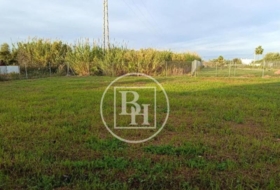
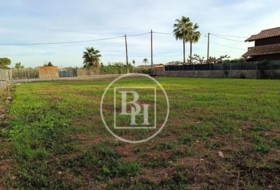
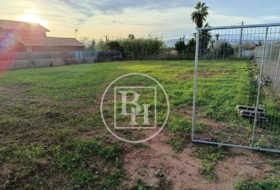
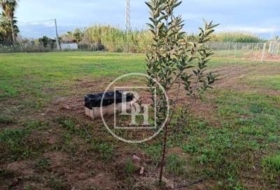



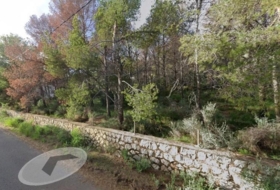
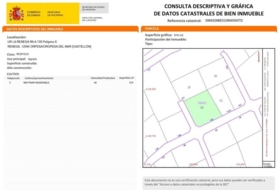
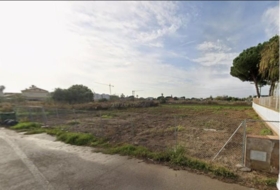
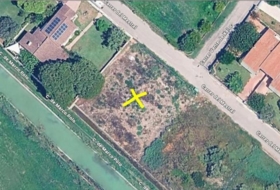


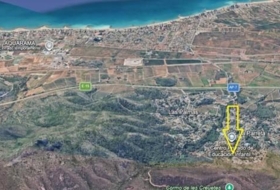
Where to buy land in the province of Castellón
The cheapest land in the province of Castellón is found in the municipality of Viver, followed by Lucena del Cid and Vall d'Alba. Prices are low because there is a large amount of undeveloped land for sale in Castellón.
Its average urban land value is one of the lowest in the Valencian Community. The areas with the cheapest urban plots are Vallibona, Borriol, Artesa and other towns in the interior of the province. In contrast, the most expensive plots are in the coastal area, specifically in the towns of Peñíscola, Benicasim and Vinaròs.
One of the largest forest areas in the Valencian Community
Castellón is the northernmost province of the Valencian Community. Its Costa de Azahar, 120 km long, is where most of the population lives. Its economy is based on agriculture, the ceramics industry, furniture manufacturing and tourism (both sun and beach and rural).
This area has a typical Mediterranean climate, with mild winters and hot summers. It is the second most mountainous province in Spain and its mountains are in the interior, where it is colder in winter and receives precipitation in the form of snow.
Its climate and orography have made it one of the largest (with more than 420,000 hectares) and best-preserved forest areas in the Valencian Community, occupying more than 60% of the provincial territory.
It has several natural parks where the predominant vegetation is the pine forest, the cork oaks, the holm oaks, and the Mediterranean scrub.
The forest resources of the forests in the north of Castellón (counties of Els Ports, L'Alt Maestrat and Baix Maestrat) contribute more than 50 million euros annually through the products extracted from them. They have a high market value (timber, firewood, mushrooms, or grasses). In addition, environmental services are performed (tourism-recreational use, climate change mitigation, flood risk reduction and erosion control). Much of the rural land in Castellón is forest.
A revolutionary and sustainable agriculture
In recent decades, irrigation systems have been modernized to make them more efficient and respectful of the environment, using drip irrigation, micro-sprinkler, or exudation, among others; in which the fertilizer is incorporated directly into the water. In addition, changes have been made in the structure of the crop rows, which allows for more efficient mechanization and harvesting.
Among citrus fruits, mandarins (Oronules, Marisol, Fortuna and Clemenules) stand out.
In addition to fruit trees, vegetables such as artichokes, tomatoes, melons, endives, leeks, celery and lettuce are also grown in this area.
Castellón's agricultural production is distributed both in Spain and the rest of the world.
Currently, the Provincial Council has a land bank with lost or little-used farmland available to interested farmers, to stop the loss of useful agricultural areas, which can be requested if certain requirements are met.
A large area of available industrial land
The industrial estates and business parks are concentrated mainly in the coastal areas and industrial areas near the capital, as well as around the port of Castellón, the most important in the province.
Castellón has more than 6,000,000 square meters of industrial land distributed throughout the territory. The functional area of the capital also has 11,000,000 square meters available, of which almost 6,000,000 are destined for industrial use (developable land in Castellón) prepared to carry out economic activities. In total, the reserve of developable industrial land amounts to 40,000,000 square meters.
The highest prices correspond to plots located in the Ciudad del Transporte area, followed by the ceramic area (Villarreal and Onda), Cabanes and Vall d'Alba.
Urban and rustic land at low prices
Urban plots in Castellón are among the cheapest in the region, with an average urban land value below the national average.
The value of agricultural uses is the lowest on average if we compare it with the rest of the Valencian provinces. This varies according to the crop, for example, that of the fields destined for citrus fruits does not fluctuate, just like that of the rustic lands dedicated to dry and irrigated farming; on the other hand, those dedicated to vineyards and olive groves maintain higher prices.
Due to its agricultural and forest area, non-building spaces are the most abundant. In addition, it is committed to sustainable territorial growth.
In conclusion, the province of Castellón offers a great opportunity in terms of industrial land, already developed and prepared for the location of interested companies. Likewise, urban plots offer a competitive advantage thanks to their low prices in developable areas. Both industrial investors and urban planners will find this area an interesting alternative for their projects.


